Grades 6–12 · Saratoga, CA · Founding cohort now forming

Don’t just assemble robots. Understand how they work.

Hands-on robotics and AI in teams of four. Students learn the physics, electronics, and code behind every part, then use that understanding to solve real engineering challenges.

Families who join the waitlist now form our founding cohort.

Led by a PhD in AI Teams of 4, every student has a role Uses modern AI tools from day one No experience needed to start
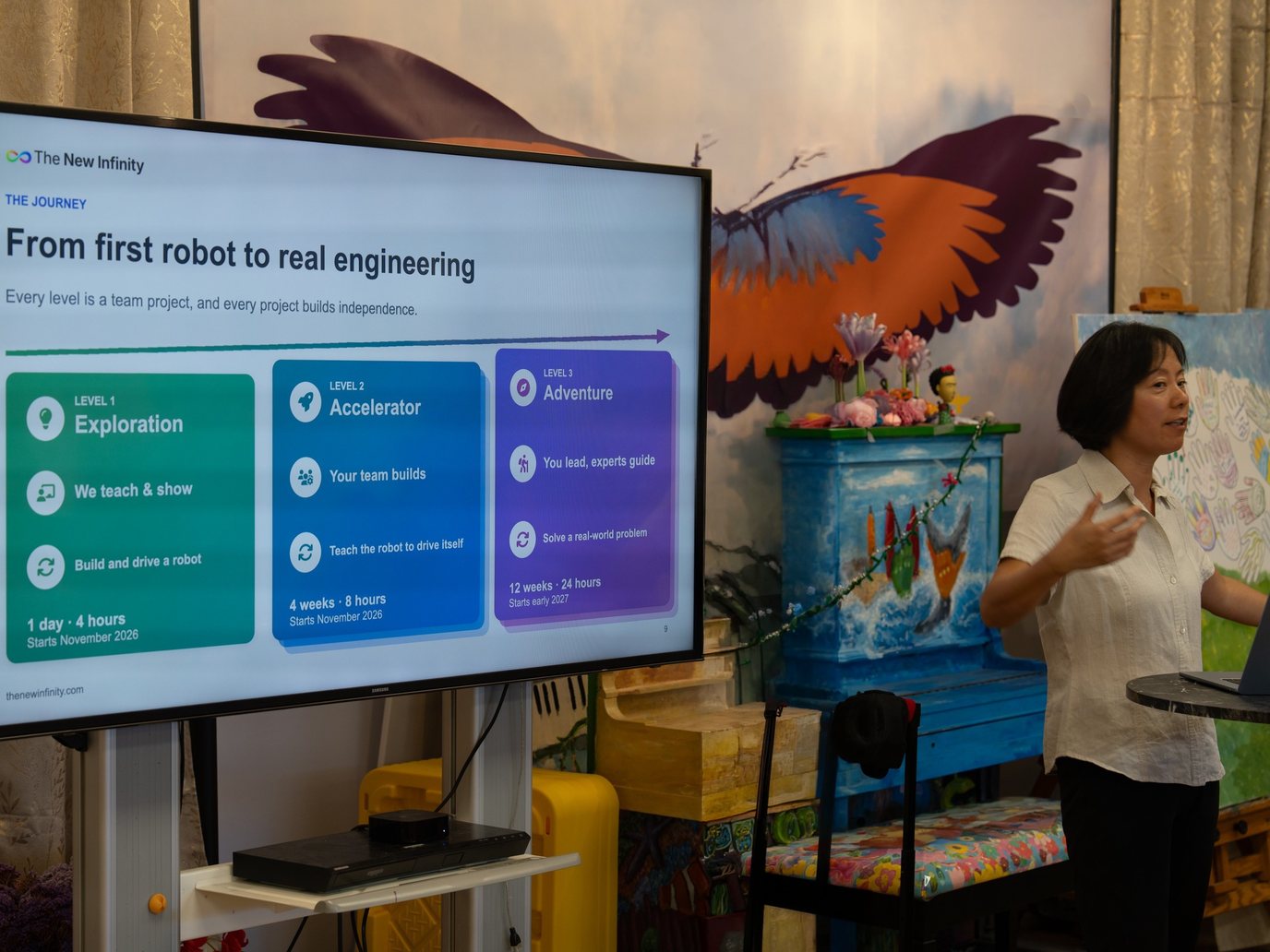
Dr. Wang presents the three program levels, from first robot to real engineering, at the October 25 info session
What makes us different

Most programs teach kids to build robots. Few teach how they work.

School teams focus on building and competing. We focus on understanding.

Typical school robotics team compared with The New Infinity
Typical school teamThe New Infinity
Large teams; a few students do most of the workTeams of four, every student has a role
Assemble pre-made partsLearn why each part works
Trial and error until it worksDesign, test, and refine with measurements
Focused on one competition seasonSkills that carry over to any robot
A great complement to a school team, not a replacement for it.
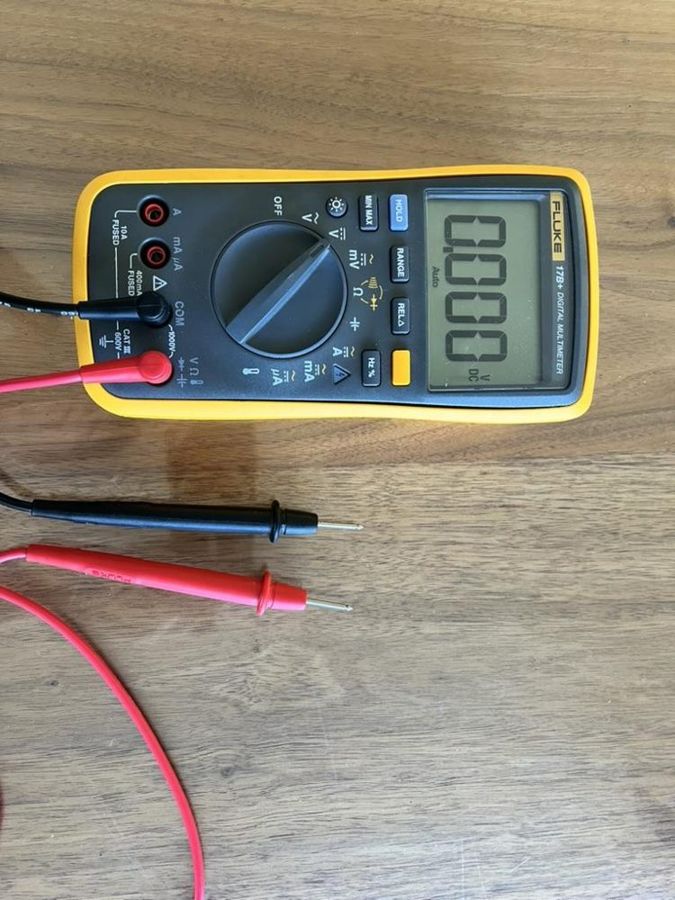
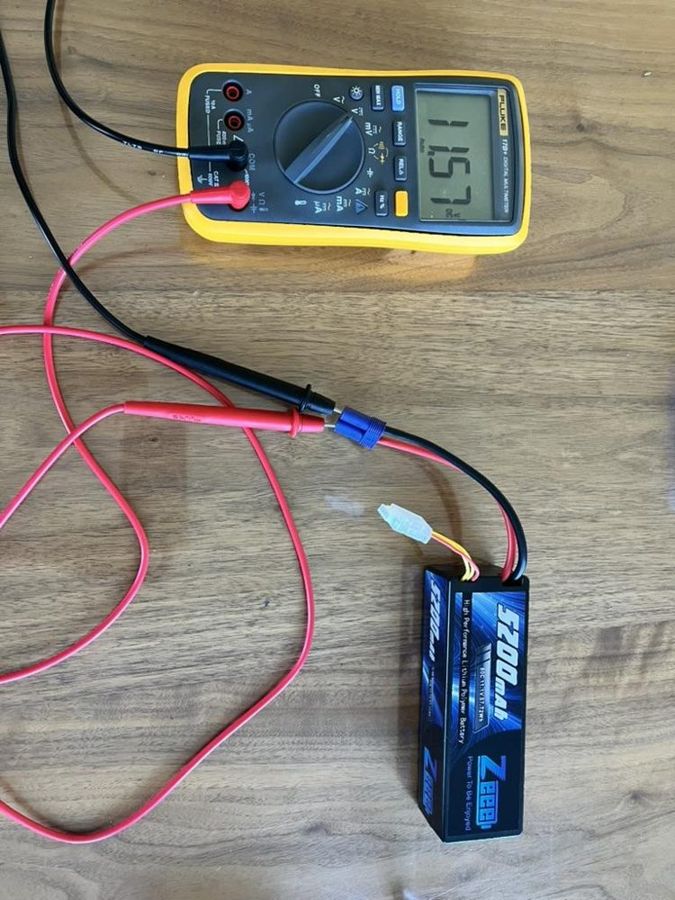
A digital multimeter with red and black probes on a wooden table The multimeter's probes connected to a robot battery, showing a voltage reading
See the difference

How would you know a battery is healthy?

We start every family session with this question. Most people say “measure it.” They’re half right.

Nothing connectedThe meter can show a healthy-looking number, even on a worn-out battery.
Powering a motorA weak battery’s number drops fast once it has real work to do.

Knowing what to measure, and why, is what engineers do.

Why now

AI is the tool. Understanding is the skill.

Students use AI to help write and fix code starting in Level 2. But AI can’t hold the probes, or look at a robot and see why it keeps drifting left.

Understand

How the hardware and code really work.

Question

What AI suggests, and test whether it’s right.

Build

With AI as a tool, not a crutch.

Programs

From first robot to real engineering

Every project fosters student independence. Start at Level 1 with no experience, or join at Level 2 if you’ve done robotics before.

Level 1We teach and show

Exploration

Hands-on intro bootcamp

Best for: Curious beginners who want to see what robotics is really about.

1 dayfour 1-hour sessions
4 hourstotal
No experience neededSun, Nov 15, 1–5 pm
$400founding cohort price, per student

Includes 4 hours led by Dr. Wang, all hardware and tools, a certificate, and a digital project folder.

View details for Level 1: Exploration
Level 2Your team builds

Accelerator

Team build, in groups of four

Best for: Students who learn by doing and want to build with a team.

4 weeksone 2-hour session a week
8 hourstotal
After Level 1, or prior robotics experienceDates set with each team
$800founding cohort price, per student

Includes 8 hours led by Dr. Wang in a team of four, all hardware, a certificate, and a digital project folder.

View details for Level 2: Accelerator
Level 3You lead, experts guide

Adventure

A real engineering quest

Best for: Students ready for a portfolio-worthy challenge.

12 weeksone 2-hour session a week
24 hourstotal
After Level 2Starts early 2027
$2,400founding cohort price, per student

Includes 24 hours of guided project work, all hardware, a final presentation to tech leaders, a certificate, and a project folder.

View details for Level 3: Adventure

Founding cohort prices. Join the waitlist by October 31, 2026, to lock in your price. Prices for future cohorts may change as hardware costs change.

How enrollment works

Four simple steps

  1. 1Join the waitlistFree, takes about a minute, and nothing is paid until you register.
  2. 2We form a teamA team starts once 4 students commit. We’ll email you the dates first.
  3. 3Register and payNothing is due until registration. Full refund if you cancel before the program starts.
  4. 4Start buildingFirst session in Saratoga. All hardware is provided.
Founding cohort

Be first in line for the founding cohort

Only 8 students per level, in two teams of four. Level 1 meets Sunday, November 15, 2026, 1–5 pm. Level 2 is scheduled around each team’s availability, and Level 3 in early 2027. Join the free waitlist, and we’ll contact you before anyone else.

Sessions meet in a dedicated lab space in Saratoga, near Saratoga High School. We’ll email the exact address when you register.

Join the waitlist (opens in a new tab) Free · nothing is paid until you register
From our October 25 info session

Real parts, real measurements

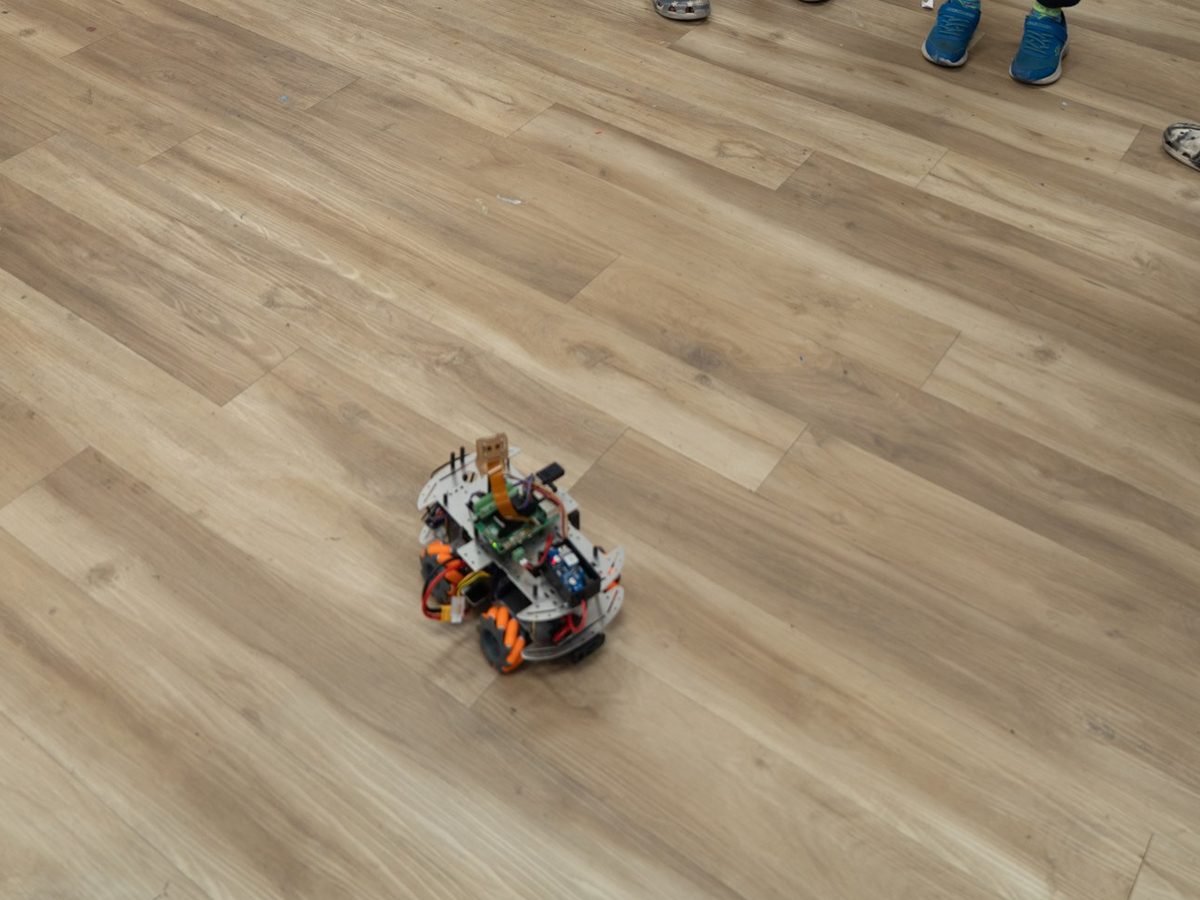
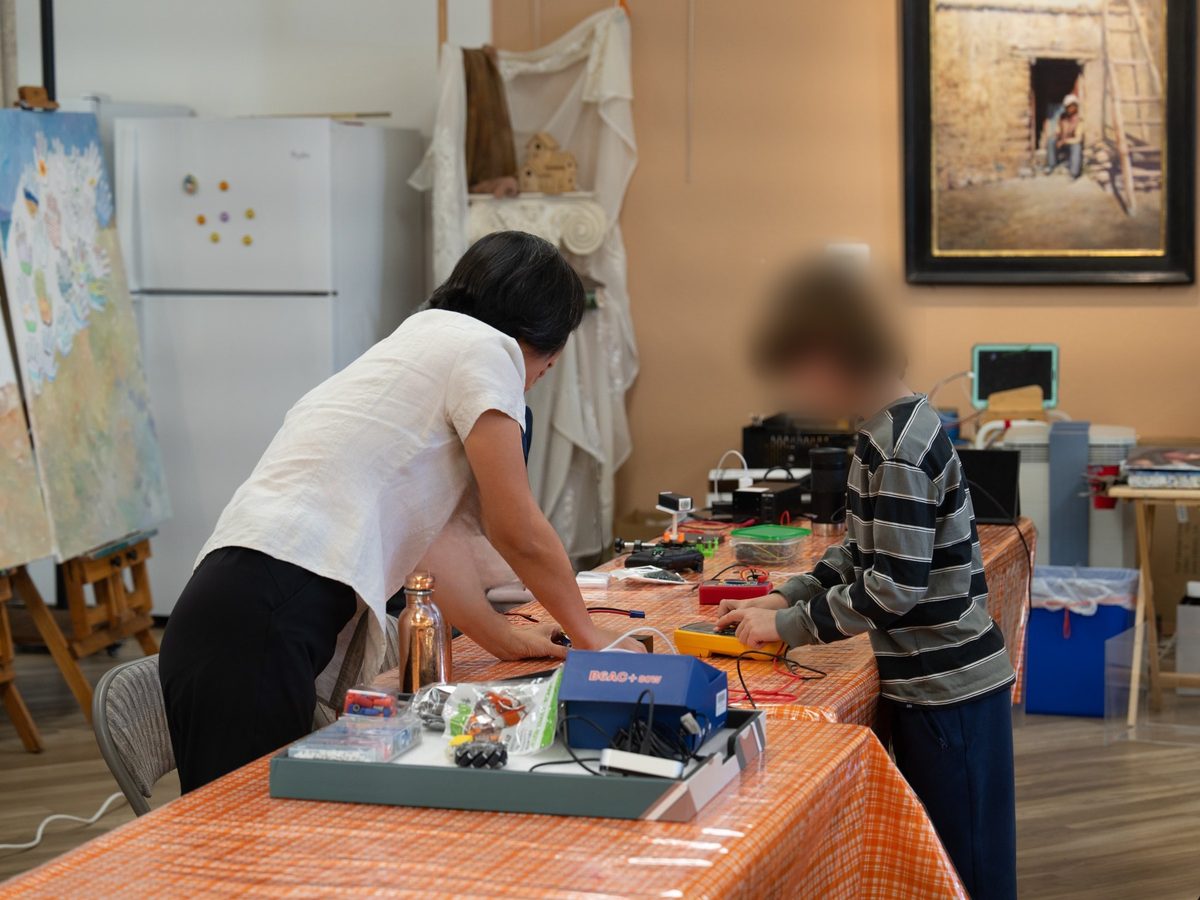
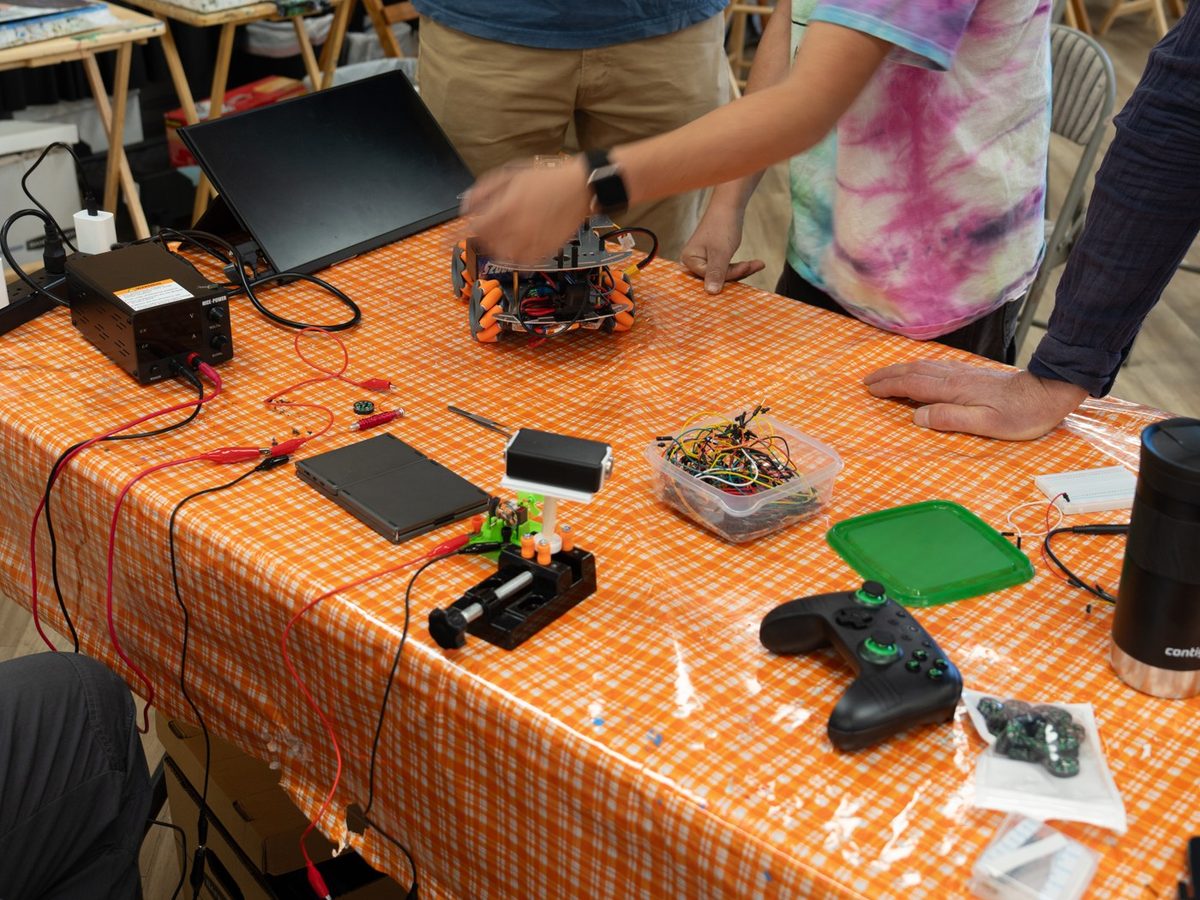
Families tested batteries with a multimeter, looked over the robot parts, and watched a student move a robot across the room with a game controller.

Dr. Wang and a student test a battery with a multimeter at a workbench
Testing a battery, hands-on
A workbench with a mobile robot, a power supply, a multimeter, wires, and a game controller
The parts students work with
A small mobile robot with a camera moving across the floor, steered by a student with a game controller
A robot moving across the room
For students

Three robot puzzles. Can you solve them?

Easy to ask. But you have to understand the robot to answer them.

What makes a motor spin?

Physics + electronics

How do you slow it down, or reverse it?

Electronics + controls

Why does a faster robot get less stable on a turn?

Physics + design

Want the answers? Level 1 is where you find out.

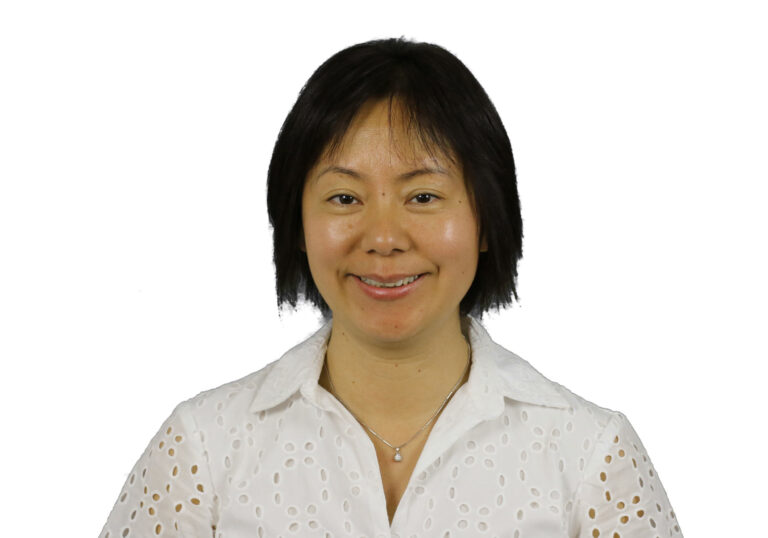
Dr. Tao Wang
Meet your instructor

Tao Wang, PhD

With 20+ years in AI and robotics, Dr. Wang is a former Purdue professor and former engineering leader at Apple and Adobe, with executive education from Stanford GSB. She designs every program and leads every session.

“After years of researching and building AI, I want students to do more than use it: to understand it, question it, and build with it.”

  • 20+ years in AI & robotics
  • Former Purdue professor
  • PhD, University of Alberta
  • Stanford GSB Exec Ed
Read her story